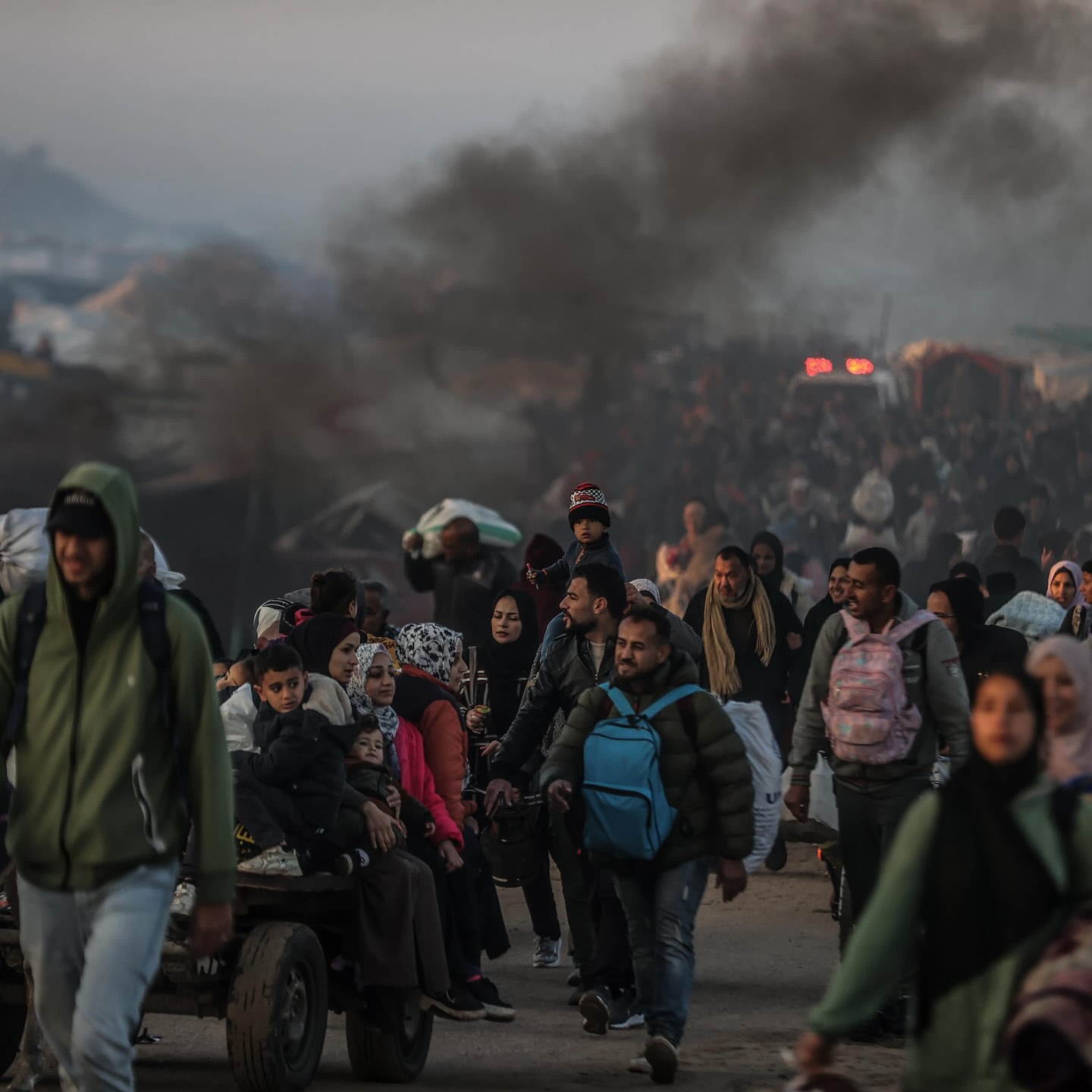
Gaza
Feb 19, 2025
The war is paused!!!
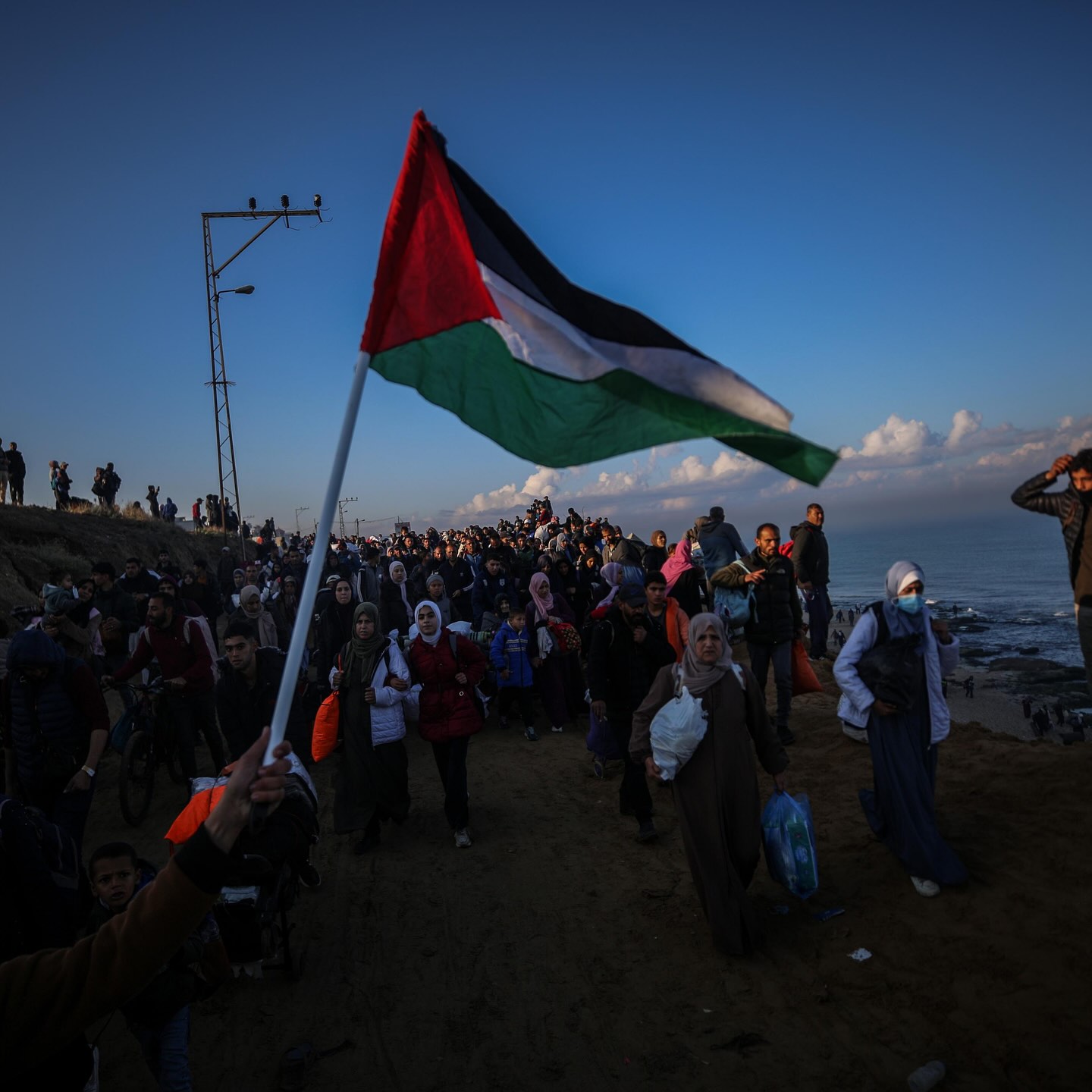
The ceasefire in Gaza, effective since January 19, 2025, represents a critical step toward ending a devastating 15-month conflict. Mediated by the United States, Egypt, and Qatar, the agreement aims to provide relief to millions of Palestinians while addressing the release of hostages and prisoners. However, the ceasefire remains fragile, with tensions and violations threatening its stability. Here’s an in-depth look at the ceasefire’s key aspects, challenges, and future prospects.
Key Components of the Ceasefire
The ceasefire is structured in three phases, each addressing critical issues:
Phase One: Immediate Relief and Hostage Exchange
A six-week pause in hostilities allows for the release of 33 Israeli hostages, primarily women, children, and the elderly, in exchange for hundreds of Palestinian prisoners.
Israeli forces partially withdraw from Gaza’s population centers, enabling displaced Palestinians to return to their homes, though many areas remain uninhabitable due to destruction.
Humanitarian aid surges into Gaza, with up to 600 trucks delivering essential supplies daily, addressing critical shortages of food, medicine, and fuel.
Phase Two: Permanent Ceasefire and Full Withdrawal
Hamas releases all remaining living hostages, including male soldiers, in exchange for additional Palestinian prisoners 110.
Israel commits to a complete withdrawal from Gaza, marking a significant step toward ending the occupation.
Phase Three: Reconstruction and Long-Term Stability
The remains of deceased hostages are returned, and a three-to-five-year reconstruction plan begins under international supervision.
The governance of Gaza remains unresolved, with proposals for a reformed Palestinian Authority or interim international administration.
Challenges and Violations
Despite the ceasefire’s potential, its implementation has faced significant hurdles:
Accusations of Violations: Both Israel and Hamas have accused each other of breaching the agreement. Israel has been criticized for delaying aid and targeting Palestinians, while Hamas has postponed hostage releases, citing unmet conditions.
Humanitarian Crisis: While aid has increased, it remains insufficient to meet Gaza’s immense needs. Hospitals struggle with shortages of supplies, and displaced families lack adequate shelter.
Political Tensions: Israeli Prime Minister Benjamin Netanyahu faces pressure from far-right coalition members to resume hostilities, while Hamas demands guarantees for a permanent ceasefire and reconstruction.
The Road Ahead
The ceasefire’s success hinges on several factors:
Diplomatic Efforts: Continued mediation by the U.S., Egypt, and Qatar is crucial to address disputes and ensure compliance.
Reconstruction: Clearing 40 million tons of debris and rebuilding Gaza’s infrastructure will require sustained international support and funding.
Long-Term Governance: Establishing a stable governing authority in Gaza is essential to prevent future conflicts and ensure lasting peace.